Social Media Marketing Trends in 2026: How Small Businesses Can Get More Customers

Social media has become much more than a place to share updates and promote products. In 2026, it plays an important role in how customers discover brands, compare services, build trust, and make purchasing decisions. For small businesses, understanding the latest social media marketing trends in 2026 can help attract the right audience, improve engagement, and generate more leads.
However, successful social media marketing is not about following every trend or posting content every day without a clear plan. It is about understanding your audience, choosing the right platforms, and creating content that supports your business goals.
Whether you run a local business, an online store, or a service-based company, a well-planned social media strategy can strengthen your online presence and help turn followers into customers.

The key to social media growth in 2026: Focus on the platforms your audience uses, publish content that provides genuine value, and measure success by meaningful business outcomes rather than likes and follower counts alone.
Why Social Media Marketing Matters for Small Businesses
Social media marketing gives small businesses an opportunity to compete for attention without relying entirely on expensive advertising campaigns. Platforms such as Instagram, Facebook, LinkedIn, TikTok, and YouTube help businesses reach potential customers, communicate their value, and build long-term relationships.
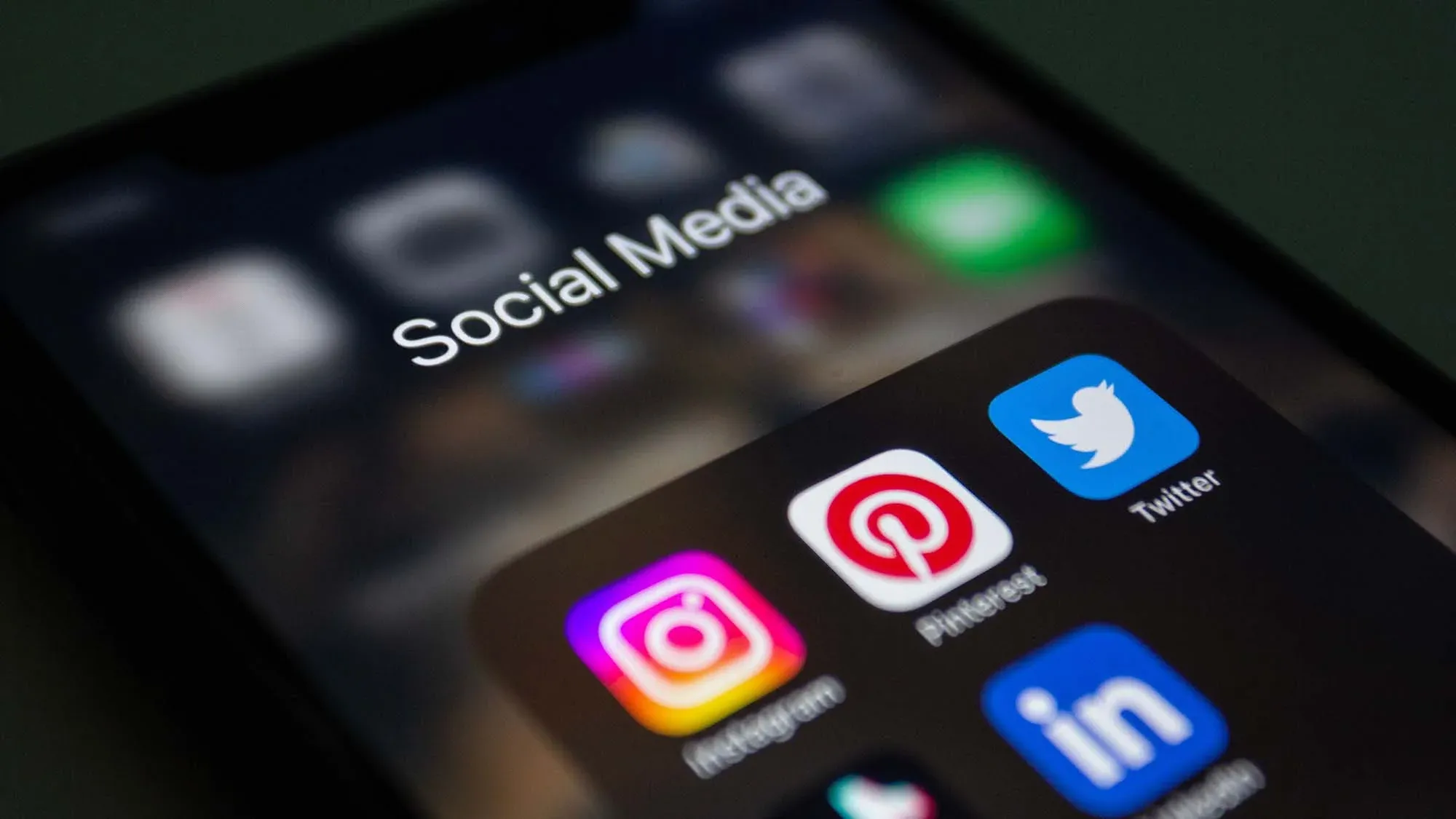
A well-planned social media marketing strategy can support several important business goals, from increasing brand awareness to generating qualified leads and building customer trust.
Increase Brand Awareness
Introduce your products or services to potential customers who may not know your business yet.
Improve Engagement
Encourage people to comment, share, save, and interact with content that interests them.
Generate Qualified Leads
Guide interested users toward your website, contact form, booking page, or online store.
Build Customer Trust
Share testimonials, behind-the-scenes updates, and helpful information that demonstrates your expertise.
Support Sales Growth
Help potential customers understand your offerings and take the next step toward making a purchase.
The key is to focus on the platforms your customers actually use and create content that answers their questions or solves their problems.
7 Social Media Marketing Trends to Watch in 2026
Social media continues to evolve, but not every new feature or trend deserves your attention. The most useful approach is to identify the changes that match your audience, resources, and business objectives.
1. Short-Form Video Marketing
Short-form videos remain an important content format for businesses looking to capture attention quickly. Instagram Reels, TikTok videos, and YouTube Shorts give brands opportunities to demonstrate products, explain services, answer common questions, and share helpful tips.

For small businesses, video marketing does not always require professional equipment or a large production budget. Simple, clear videos can communicate a message effectively when they provide genuine value.
For example, a service business can create a short video explaining a common customer problem and showing how its service helps. An online store can demonstrate how a product works or highlight its main benefits.
How to Make Short-Form Videos More Effective Start with an interesting question or problem, keep each video focused on one topic, and add captions so viewers can follow along without sound. Finish with a relevant call to action that tells people what to do next.
2. Authentic Content and Human Brand Stories
Customers want to understand the people and values behind a business. This makes authentic social media content an important part of building trust.
Instead of publishing only promotional graphics, businesses can share their work process, team introductions, customer experiences, project results, and everyday moments. This type of content gives audiences a clearer picture of what makes a brand different.

For example, a digital marketing agency could share how it approaches a client project, explain a common marketing mistake, or show the process behind creating a campaign.
Useful content beats posting just to stay active. Authenticity does not mean publishing without planning. Every post should still reflect your brand identity and communicate something useful or meaningful to your audience.
3. AI in Social Media Marketing
Artificial intelligence is becoming a practical tool for planning and managing social media campaigns. Businesses can use AI tools to brainstorm content ideas, develop caption drafts, organize content calendars, summarize performance data, and explore different creative approaches.
For small businesses with limited marketing resources, AI can help reduce repetitive work and make content planning more efficient. It can also help teams explore alternative ideas and adapt existing content for different platforms.
However, AI-generated content should not replace your brand's personality or understanding of customers. Generic captions and repetitive posts may fail to communicate what makes your business valuable.
Use AI as a Support Tool, Not a ReplacementUse AI to support your social media marketing workflow, then review every piece of content for accuracy, relevance, tone, and originality. Your knowledge of your audience is what makes the final content useful.
4. Community Building Over Vanity Metrics
A large follower count does not automatically translate into more sales. In 2026, businesses should pay closer attention to the quality of their audience relationships rather than focusing exclusively on likes and followers.
Community-focused social media marketing involves responding to comments, answering direct messages, asking thoughtful questions, and participating in relevant conversations. These interactions help businesses understand customer concerns and identify opportunities to improve their services.
For example, a local business could use Instagram Stories to answer frequently asked questions, while a B2B company could share practical insights and participate in discussions on LinkedIn.
Consistent engagement can help turn casual followers into familiar, trusting audiences who are more likely to consider your business when they need your services.
5. Influencer Marketing and Creator Partnerships
Influencer marketing is not limited to celebrities or creators with millions of followers. Small businesses can collaborate with niche creators whose audiences match their target customers.
A relevant creator may help introduce your business to people who are already interested in your industry, location, or product category. The value of a partnership depends on how closely the creator's audience aligns with your business, not simply on the size of their following.
Audience Relevance
Choose creators whose followers match your target customers, industry, or service area.
Engagement Quality
Look beyond follower counts and consider whether the audience genuinely interacts with the creator's content.
Credibility and Style
Work with creators whose content feels trustworthy and fits your brand identity.
Before starting a partnership, set clear campaign goals, such as increasing website visits, generating inquiries, promoting a product, or improving local brand awareness. Track results using campaign-specific links, discount codes, or lead forms where appropriate.
6. Social Search and Discoverable Content
People increasingly use social platforms to discover businesses, research products, and find answers to everyday questions. This makes social search optimization an important part of a modern content marketing strategy.

Businesses can improve content discoverability by using clear captions, relevant keywords, descriptive video titles, accurate profile information, and location details when appropriate.
For example, a business targeting local customers might naturally use phrases related to its service and city in its profile and content. A specialist could create posts answering common questions that potential customers search for.
Make your content easy to understand and discover. Avoid stuffing captions with repetitive keywords or unrelated hashtags. Write naturally, make the topic clear, and focus on providing information that matches your audience's search intent.
7. Social Commerce and Easier Customer Journeys
Social commerce helps customers discover and explore products through social platforms. Depending on the platform and market, users may be able to shop directly or move from social content to a website to complete a purchase.
Even businesses that do not sell physical products can benefit from making their customer journey simpler. Clear calls to action, accessible contact details, straightforward booking links, and relevant landing pages make it easier for interested people to move forward.
If someone is interested in your service, they should not have to search through multiple pages to understand what to do next. The easier you make it for potential customers to move from discovery to inquiry, the more effectively your social media activity can support lead generation.
How to Choose the Right Social Media Platforms
You do not need to maintain an active presence on every platform. The best social media platforms for your business depend on your audience, industry, content format, and marketing objectives.
Suitable for visual storytelling, Reels, product discovery, and lifestyle brands that benefit from strong visual content.
Useful for local business visibility, community engagement, events, and selected advertising campaigns.
Valuable for B2B marketing, professional services, industry insights, and building business relationships.
TikTok
Offers opportunities for short-form videos, demonstrations, educational content, and personality-led branding.
YouTube
Works well for tutorials, product explanations, detailed educational content, and searchable videos.
Can support visual discovery in areas such as home decor, design, fashion, and planning.
Start with one or two platforms where your target audience is most active. Build a consistent content strategy, measure performance, and expand only when you have the resources to maintain quality.
How to Build an Effective Social Media Content Strategy
A successful social media strategy starts with clear goals. Decide whether you want to increase brand awareness, improve engagement, generate leads, drive website traffic, or increase sales.

Next, create a balanced content mix that gives your audience different reasons to follow and engage with your business. Educational content can answer common questions, while testimonials and case studies help establish trust. Brand updates can introduce your team and values, and promotional posts can explain your services, product benefits, or special offers.
Educational Content
Share tips, tutorials, answers to common questions, and useful industry insights that help your audience solve problems.
Trust-Building Content
Use testimonials, case studies, customer feedback, and project results to demonstrate your experience and credibility.
Brand Content
Introduce your team, explain your company values, and share behind-the-scenes updates that show the people behind your business.
Promotional Content
Highlight services, product benefits, special offers, and announcements that are relevant to your audience.
Interactive Content
Use polls, questions, quizzes, and conversations to encourage participation and learn more about customer needs.
Plan your posts in advance using a manageable content calendar. Repurpose useful ideas across different formats rather than creating every post from scratch. For instance, a detailed blog post can become several short videos, a carousel, and a series of educational captions.
Most importantly, include a clear next step when appropriate. Depending on your goal, this could be visiting your website, requesting a quote, booking a consultation, or sending a message.
How to Measure Social Media Marketing Success
Tracking the right social media metrics helps you understand whether your efforts are contributing to business growth. Rather than measuring every available number, focus on the metrics that match your objectives and help you make better decisions.

Metric
What It Tells You
Reach and Impressions
How many people see your content and how frequently it appears.
Engagement Rate
How audiences interact with your content relative to reach, impressions, or audience size, using a consistent calculation.
Click-Through Rate
How often people click links in your social content or advertisements.
Conversion Rate
How many visitors complete a desired action, such as submitting an inquiry or booking a consultation.
Cost per Lead
How much your paid marketing activity costs to generate a lead.
Return on Investment (ROI)
How the returns generated by your marketing compare with the costs involved.
Review these metrics regularly and look for patterns. If educational videos consistently generate more relevant inquiries than promotional graphics, use that insight to improve your content plan.
Social media performance should be evaluated by the value it creates for your business, not just the number of likes a post receives.
Common Social Media Marketing Mistakes to Avoid
Even a well-designed campaign can underperform when the strategy lacks direction. Small businesses often lose momentum by publishing content without a clear objective, promoting their services in every post, or choosing platforms based on popularity rather than audience relevance.
Other common problems include ignoring comments and messages, following trends that do not suit the brand, and publishing AI-generated content without editing or fact-checking. These habits can make a business appear inconsistent and reduce the value of its social media presence.
It is also important to look beyond vanity metrics. Measuring success only through followers and likes can hide problems with website traffic, lead quality, and conversions. Similarly, sending interested visitors to confusing landing pages or unclear calls to action can make it harder for them to become customers.
Keep your strategy focused. A consistent, audience-focused approach is generally more useful than constantly changing direction in response to every new trend. Prioritize relevant content, meaningful conversations, and a clear path from discovery to action.
Final Thoughts: Turn Social Media Trends Into Business Growth
The most valuable social media marketing trends in 2026 focus on creating useful content, building authentic relationships, using AI thoughtfully, improving discoverability, and making it easier for customers to take action.
Small businesses do not need to adopt every new feature or publish content across every platform. They need a clear strategy that connects their audience's needs with their business goals.
Start by choosing the right platforms, publishing content that answers real questions, engaging with your community, and tracking meaningful results. Over time, these habits can strengthen brand awareness, improve social media engagement, and support more consistent lead generation.
Ready to Strengthen Your Social Media Strategy?
Top Creative can help your business develop a focused digital marketing strategy, create engaging content, and connect your online presence with meaningful business goals.
Talk to the Top Creative team to explore a social media marketing strategy that fits your business.